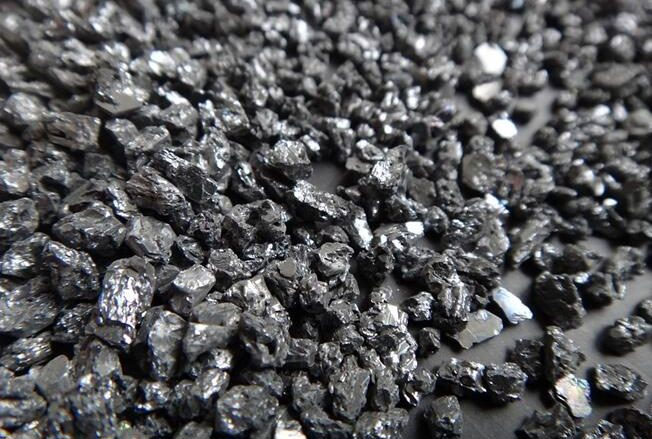
Silicon carbide is a kind of carbide. It was accidentally discovered by the American Acheson in 1891 during diamond experiments. Natural silicon carbide is very rare, and most silicon carbide is artificially produced. It is usually made from quartz, petroleum coke, and other raw materials, supplemented with recycled materials and residual materials. After grinding and other processes, they are blended into furnace materials with a reasonable proportion and suitable particle size. (In order to adjust the air permeability of the furnace charge, an appropriate amount of sawdust needs to be added. When preparing green silicon carbide, an appropriate amount of salt must also be added.) It is then prepared under high temperature.
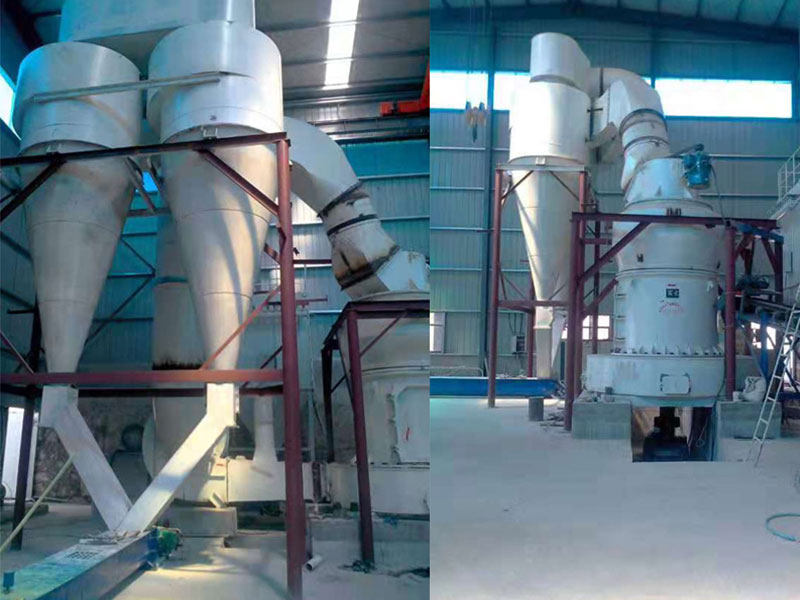
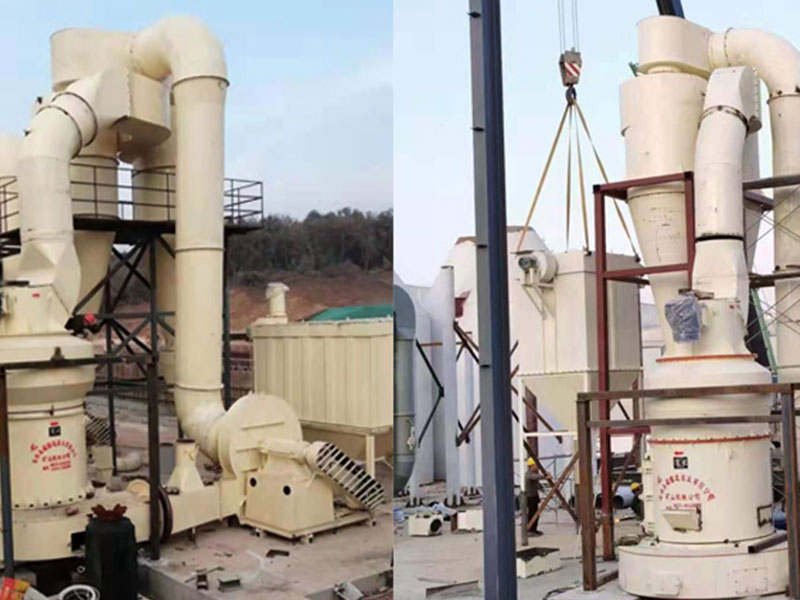
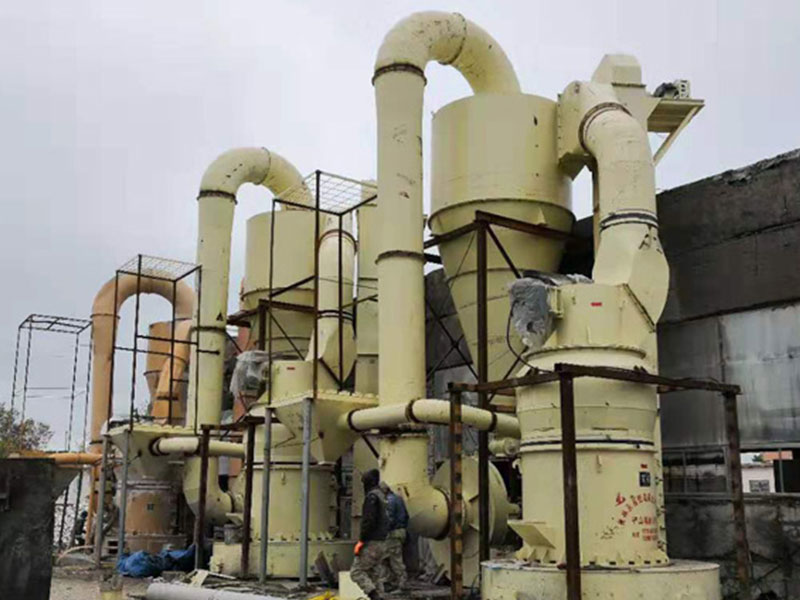
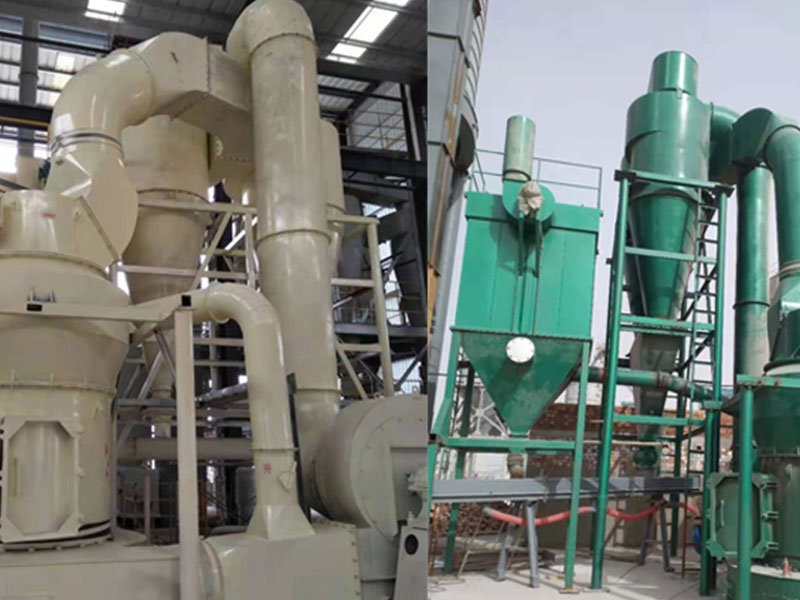
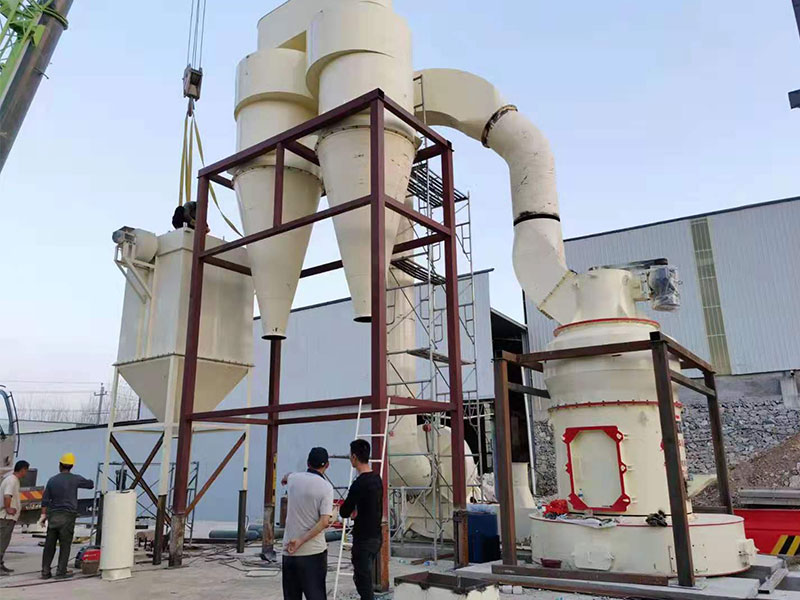
 Our investigation found that the demand for silicon carbide grinding and processing utilization has also increased, which has greatly strengthened the demand for Raymond mills, especially highlighting the importance of the application of Raymond mills in the production process of silicon carbide micropowder.
The production steps of silicon carbide micropowder are as follows:
- (1) Take the silicon carbide raw material, crush it with a crusher, and screen it into silicon carbide particles no larger than 5 mm. Then use a shaping machine to shape them into silicon carbide particles no larger than 2 mm, with oval particles accounting for more than 80%, and then carry out acid washing for impurity removal and drying;
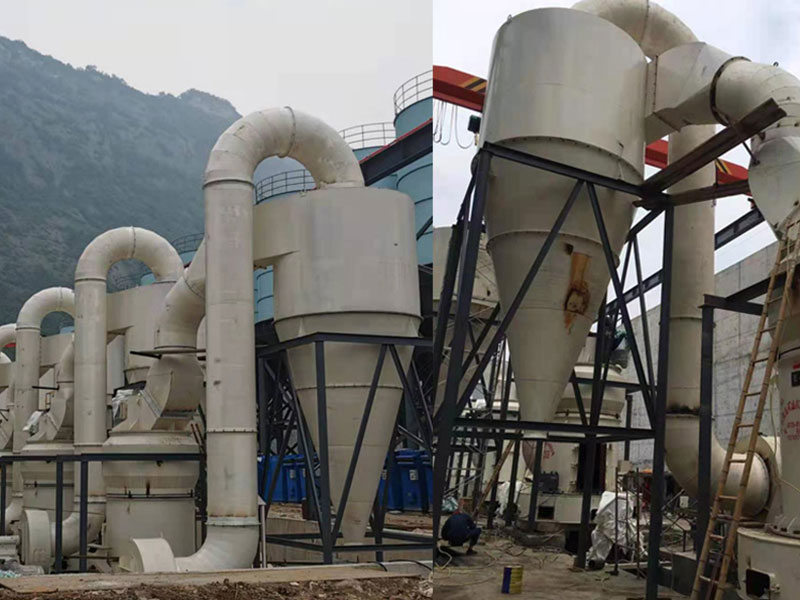
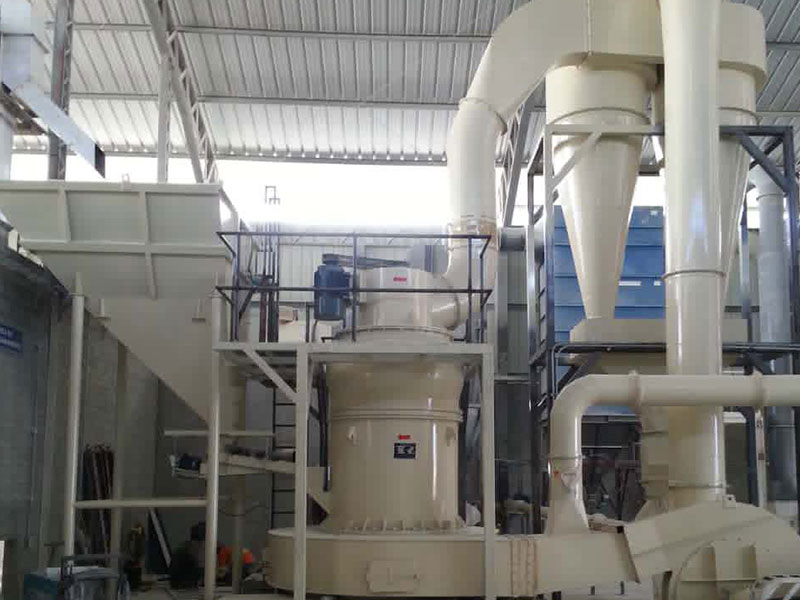
- (2) Grind the above dried silicon carbide particles into silicon carbide powder with d50 = 9.5–11.5 μm by using a Raymond mill. During grinding, the current of the Raymond mill main unit is set to 65–75 A, the fan flow is set to 40–50 m³/min, and the classifier speed is 400–600 rpm;
- (3) Then use a vortex air classifier to classify the silicon carbide powder. During classification, the fan flow of the vortex air classifier is 25–43 m³/min, and the classification wheel speed is 2600–3300 rpm. Finished Product A with a particle size of ds94 = 6.5–5.5 μm is separated from the classification outlet, while semi-finished products with ds94 ≤ 5.5 μm are separated from the cyclone outlet;
- (4) The semi-finished products separated from the cyclone outlet of the vortex air classifier are then subjected to secondary classification by an impeller air classifier. During classification, the fan flow of the impeller air classifier is 25–10 m³/min, and the classification wheel speed is 1300–1700 rpm. Finished Product B with a particle size of ds94 = 4.5–3.0 μm is separated from the classification outlet, while by-products are separated from the cyclone outlet.
Silicon carbide micropowder is a fine powder produced by processing silicon carbide with powder-making equipment. It has excellent chemical stability, toughness, shock resistance, remarkable electrical properties, and high thermal conductivity. Therefore, it is widely used as a raw material in the production of abrasive tools and abrasives, refractory materials, corrosion-resistant materials, structural ceramics, and lamp products. It can also be used in the production of electric heating components, semiconductor devices, and other products.
Domestic silicon carbide micropowder mainly includes black silicon carbide micropowder and green silicon carbide micropowder. Since silicon carbide micropowder is mainly used in the abrasive industry, it has special requirements for micropowder classification. The main standards include: Chinese national standards, Japanese standards, and European standards. In the market, Chinese national standards and Japanese standards are the mainstream, while exports are mainly based on Japanese standards, such as
JIS#800, JIS#1000, JIS1200, JIS#1500, and JIS#2000. This shows that the fineness requirement for silicon carbide micropowder must be at least above
800 mesh. Under the current situation of a wide variety of grinding mills, the
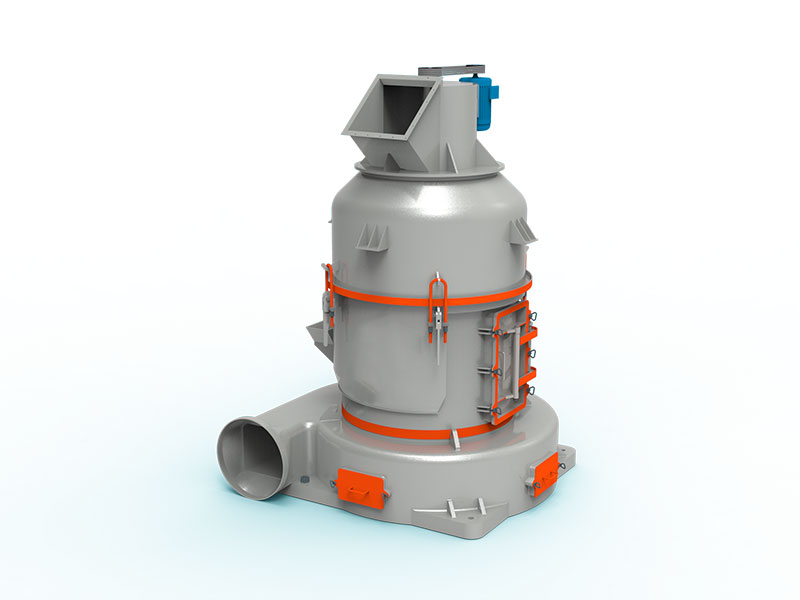
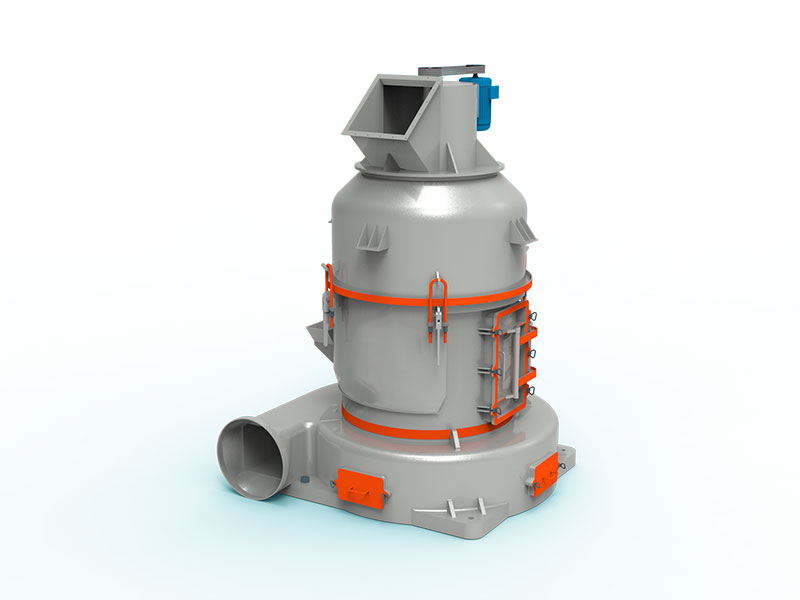
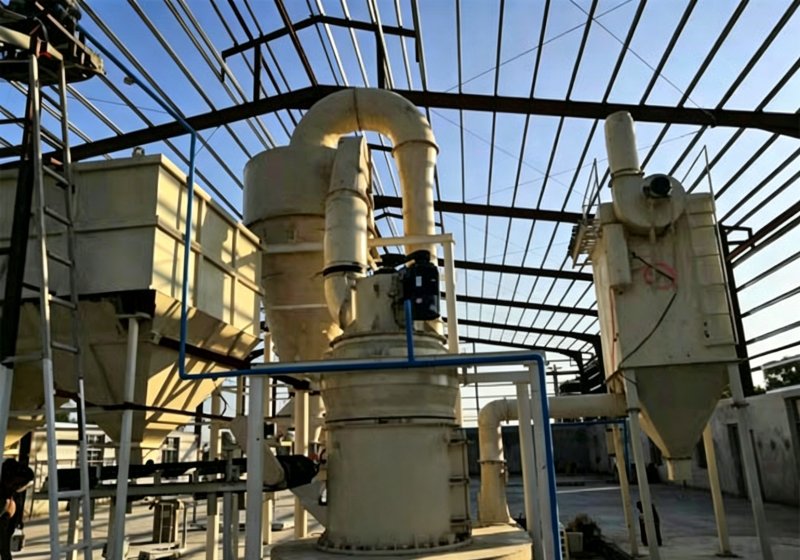
SCM ultrafine grinding mill is an ideal equipment for grinding silicon carbide.
As is well known, the finer the stone powder, the higher its value, and the same is true for silicon carbide. Ultrafine grinding mills have ultrafine grinding capability. Compared with other grinding mill equipment, they have stronger fine powder preparation capacity. It adopts dozens of grinding rollers working together with three grinding chambers. The material starts to be ground in the lower grinding chamber, and the fine powder rises with the airflow to the second grinding chamber for further grinding, then to the third grinding chamber, where it is ground step by step. It is highly suitable for fine powder processing, with fineness reaching
800–2500 mesh, thereby enhancing the value of silicon carbide micropowder.
Silicon carbide has a relatively high Mohs hardness, so the wear problem cannot be ignored. The grinding rollers of the ultrafine grinding mill are made of bearing steel, which is a chromium alloy with stronger wear resistance. Therefore, the service life of the grinding rollers is guaranteed, saving more maintenance time for production.
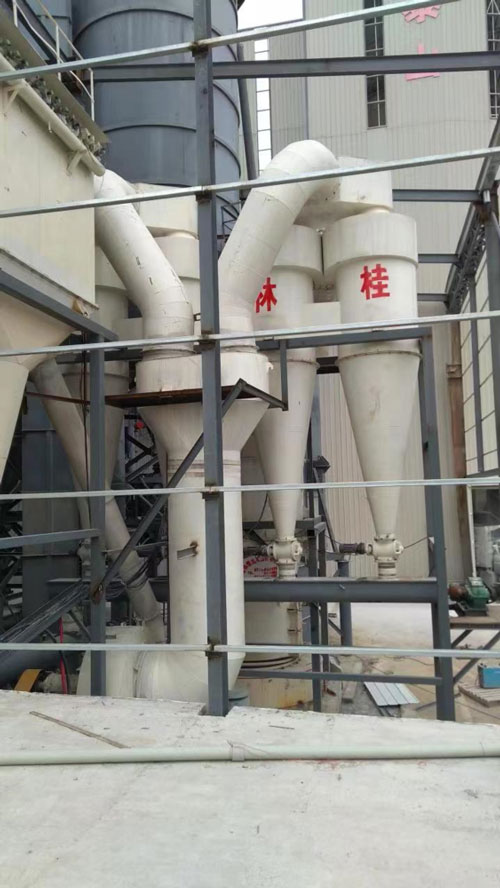
As a new generation of silicon carbide micropowder grinding equipment, the ultrafine grinding mill adopts a one-time forming grinding system. The particle shape of the ground silicon carbide powder is better than that achieved by other methods, which not only improves the value of silicon carbide micropowder products, but also reduces energy consumption. In addition, the use of a pulse dust collector and silencer reduces dust pollution and noise, meeting the national advocacy for environmental protection requirements.
As a high-tech enterprise committed to the research and development of environmentally friendly grinding mills, we specialize in the improvement and innovation of grinding systems. The high-pressure grinding mill, sand powder grinding mill, and integrated pendulum roller mill we have produced are all preferred products in the powder processing industry, enabling you to use them with confidence, peace of mind, and convenience.
This article was published on May 22, 2026, and last updated on May 22, 2026. The article will be continuously updated.