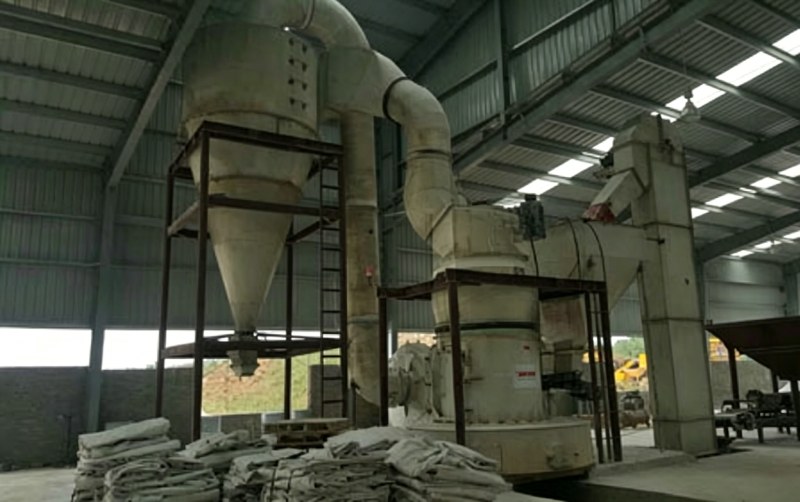
I. Functions of Vertical Grinding Mills
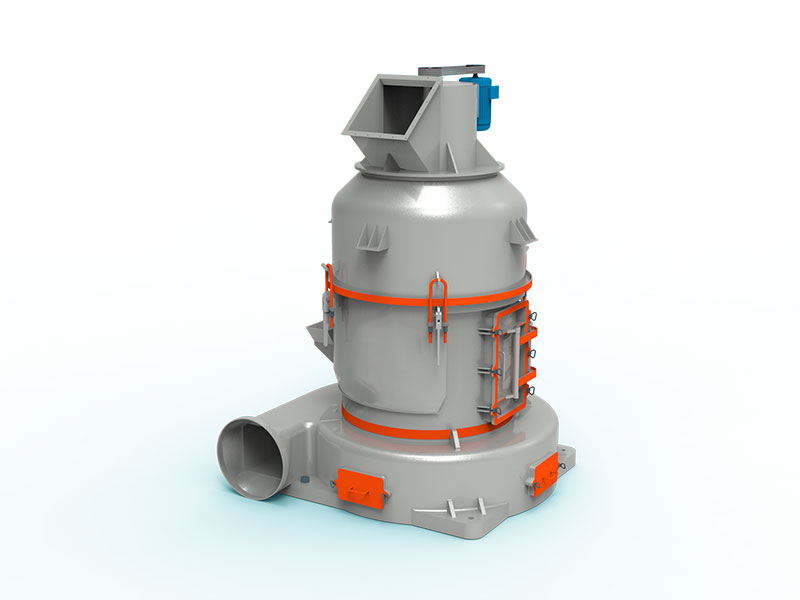
This is the most important function of a vertical grinding mill. When ultra-fine grinding of materials is required, a vertical grinding mill can handle it in almost all cases. For ores with fine embedded particle size, fine grinding or even ultra-fine grinding is undoubtedly necessary. In addition, excellent material properties in materials science also require such grinding performance, and vertical grinding mills can meet these requirements. The application fields of vertical grinding mills include metallurgy, mining, building materials, chemical industry, materials industry, medicine, cosmetics, and more.
There are many types of mixing equipment, but most of them mix materials without changing the particle size, so the mixing effect is naturally limited. Using a vertical grinding mill for material mixing can grind the material to a certain degree, create fresh surfaces, and enhance the mixing effect between materials.
Some materials do not require fine grinding, but instead require a certain shape. For example, quartz sand used as molding sand is required to have an approximately spherical shape. Other materials such as silicon carbide, zinc oxide, and diamond are also required to have an approximately spherical shape, while sillimanite is required to have a needle-like shape, and so on. A vertical grinding mill can achieve this shaping function, transforming irregularly shaped quartz sand, silicon carbide, zinc oxide, diamond, and similar materials into approximately spherical shapes, while making sillimanite needle-shaped.
- (4) Delamination Function
For layered materials such as mica, graphite, and kaolin, simply grinding them finely is not enough. It is also necessary to peel the material layer by layer while preserving its flaky structure, which is very important for subsequent applications. A vertical grinding mill provides this function. It can not only grind the material finely, but also peel it layer by layer, making the material present a flaky form. By controlling the operating parameters of the vertical grinding mill, it is possible to maximize the diameter of the flakes while achieving the delamination function.
II. Characteristics of Vertical Grinding Mills
- (1) High Grinding Efficiency
Vertical grinding mills use the material bed grinding principle to grind materials. They have low energy consumption, and the power consumption of the grinding system is 30% lower than that of a ball mill system. Moreover, as the moisture content of the raw material increases, the energy-saving effect becomes even more significant.
- (2) Strong Drying Capacity
In a vertical grinding mill, gas is used to convey materials. When grinding materials with relatively high moisture content (such as coal or slag), the inlet air temperature can be controlled so that the final product reaches the required moisture level. Vertical grinding mills can dry materials with a moisture content as high as 12%–15%, while even drying ball mills can only dry materials with a moisture content of 3%–4%. This makes vertical grinding mills especially suitable for high-moisture materials such as slag.
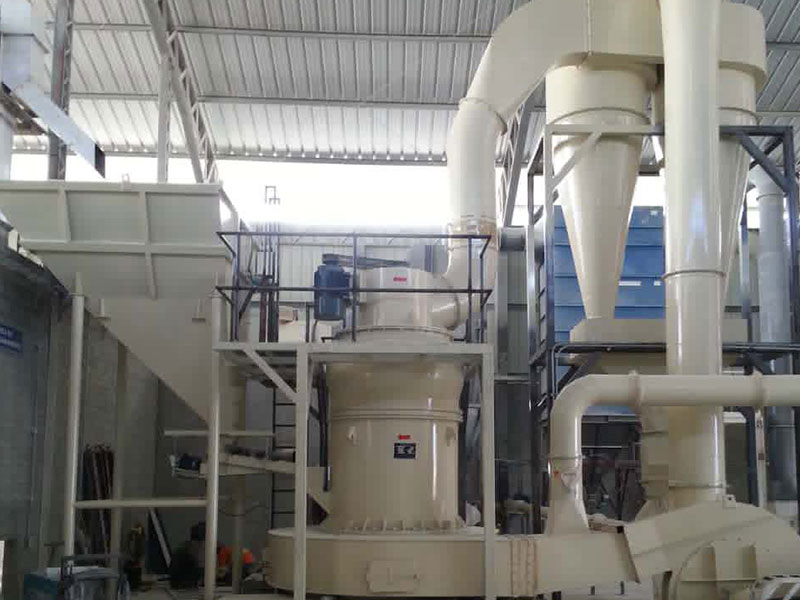
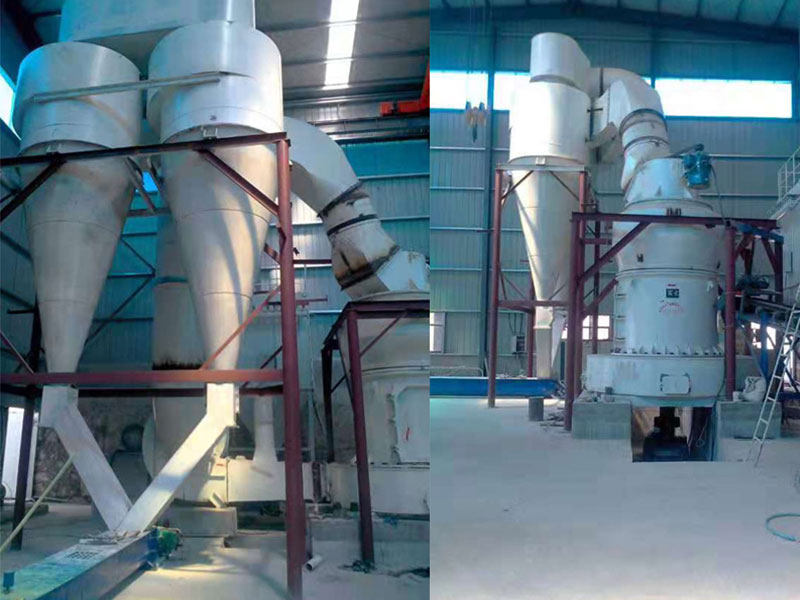
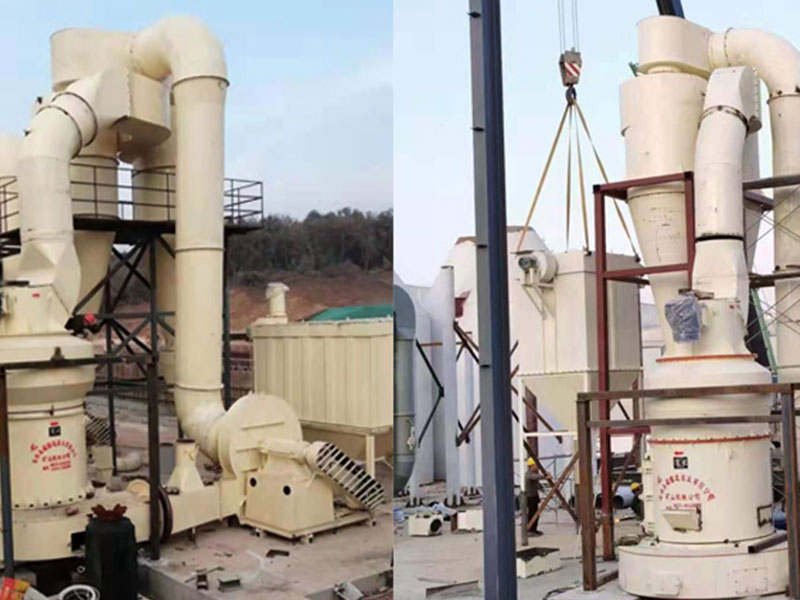
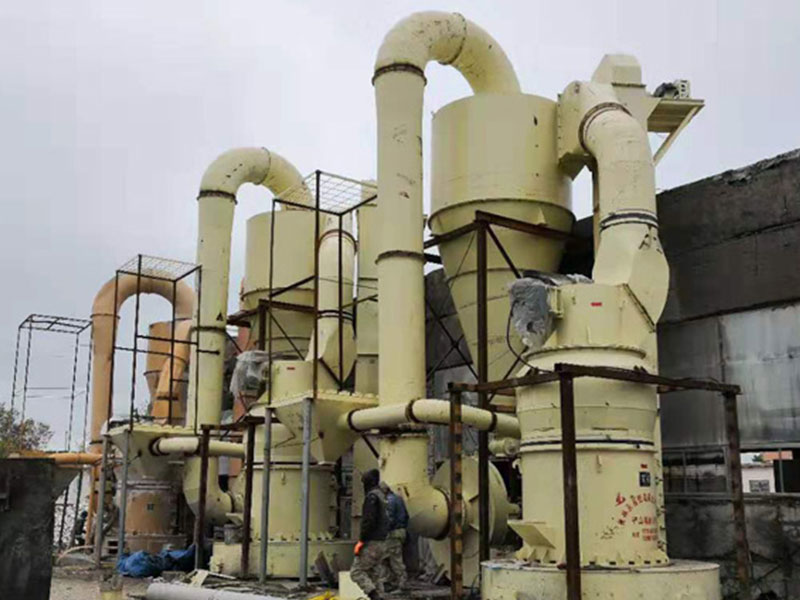
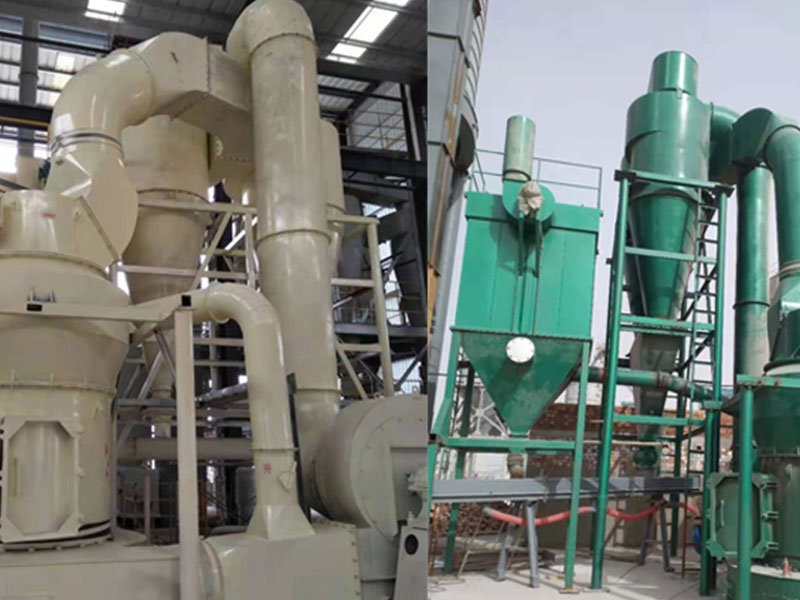
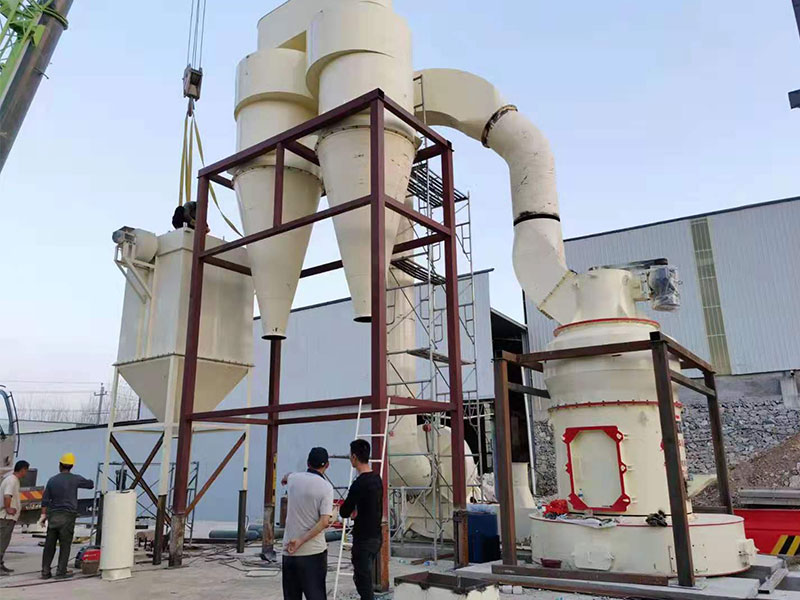
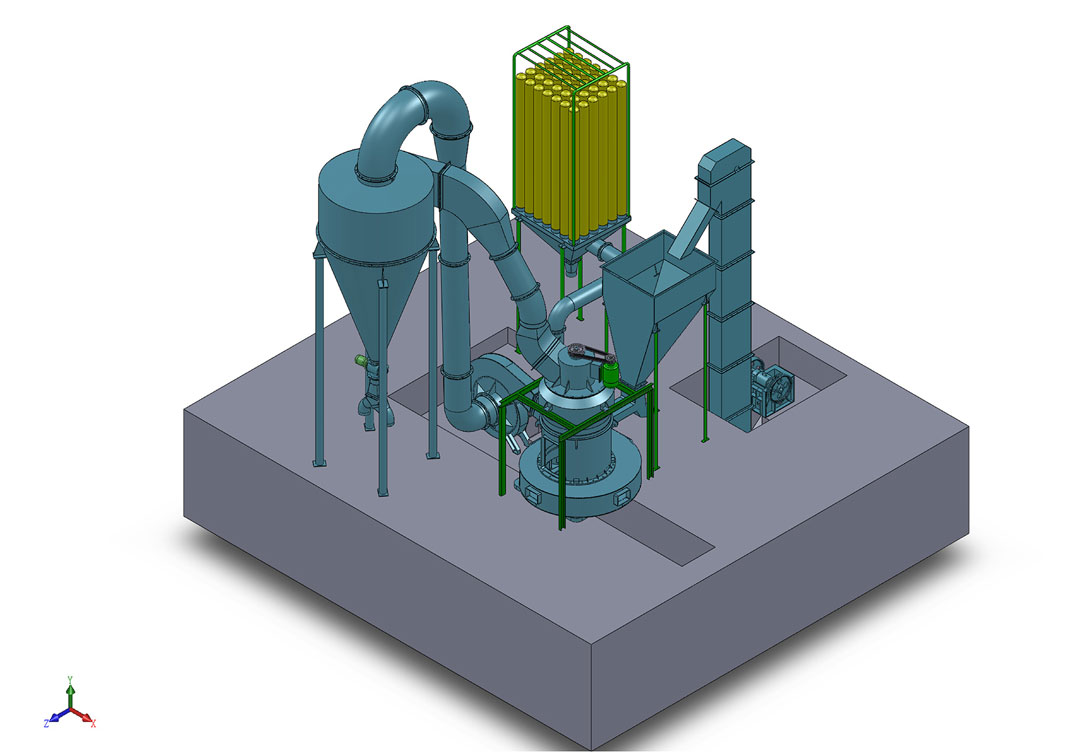
A vertical grinding mill is equipped with a separator, and hot flue gas is used to convey materials, so there is no need for a powder concentrator or bucket elevator. The dust-containing gas discharged from the mill can be directly collected by a bag dust collector as the final product. Therefore, the process flow of a vertical grinding mill system is simple, with a low failure rate, high operating rate, compact layout, a building area about 70% of that of a ball mill system, and building space about 50%–60% of that of a ball mill system.
This article was published on May 22, 2026, and last updated on May 29, 2026. The article will be continuously updated.